Jewellery
Whether you are selecting your first pair of diamond studs or building a curated collection of statement pieces, understanding jewellery goes far beyond simply knowing gold from silver. The world of personal adornment encompasses intricate technical knowledge—from chain weaves that resist snapping to earring backs that stay secure—alongside the more artistic considerations of proportion, occasion and personal style.
This resource addresses the practical questions that arise when purchasing, wearing and caring for jewellery. You will find guidance on everything from measuring your wrist for a perfectly fitting bangle to choosing metals that suit your lifestyle, from stacking necklaces without tangles to selecting bridal pieces that complement your dress fabric. Each section introduces fundamental concepts whilst pointing toward more detailed explorations of specific topics.
Think of jewellery as a visual language. Like learning any language, mastering the basics—proportion, material quality and appropriate occasion—provides the foundation for more creative expression. A signet ring worn on the wrong finger sends a different message than intended; a choker paired with certain necklines can visually shorten rather than elongate. These nuances matter, and understanding them transforms jewellery from mere decoration into confident self-expression.
Necklaces, Chains and Pendants: Length, Weight and Layering
The relationship between a necklace and the neckline it frames determines whether a piece enhances your appearance or competes with your clothing. A princess-length chain (approximately 45cm) sits elegantly on most crew necks, whilst a matinee length (50-60cm) pairs naturally with open collars and V-necks. Understanding these proportions prevents the common mistake of wearing a choker with a high neckline, which can create visual congestion around the face.
Chain Strength and Pendant Weight
One of the most frustrating experiences in jewellery ownership involves a snapped chain—often because the chain weight was mismatched with the pendant. A fine chain under 1mm width typically cannot support pendants exceeding 3-4 grams without risking breakage. Rope chains, despite their delicate appearance, often snap after minimal wear if subjected to inappropriate weight. Box and cable weaves generally offer superior strength at equivalent widths.
When investing in pendants, consider:
- The bail diameter must accommodate your existing chains
- Closed soldered jump rings prevent heavy pieces from working loose
- Halo settings add visual presence without significantly increasing weight
The Art of Layering Without Tangles
Successful necklace stacking requires varying lengths by at least 5cm between each piece. Chains with different weave patterns—a box chain paired with a cable, for instance—are less prone to interlocking than identical styles worn together. Storing layered necklaces individually, each fastened closed before placing in separate compartments, prevents the frustrating knots that can damage fine links.
Earring Styles: From Workplace Studs to Evening Statement Pieces
Earrings occupy a unique position in jewellery: they frame the face directly, making their selection particularly consequential. A pair of diamond studs appropriate for a conservative workplace differs significantly from chandelier drops suited to black-tie events, yet both serve important roles in a versatile collection.
Diamond Studs and Daily Wear Considerations
For professional environments, studs between 0.25 and 0.50 total carat weight strike the balance between presence and discretion. The setting choice affects perceived size—bezel settings create a larger visual footprint than prong settings at equivalent carat weights, useful when maximising impact from smaller stones.
Earring backs deserve more attention than most wearers give them. Standard butterfly backs loosen over months of wear, leading to lost earrings. Screw-back mechanisms offer superior security for valuable pieces, though they require slightly more time to insert and remove. For those who sleep in earrings, flat-backed labret-style posts eliminate the discomfort of traditional backs pressing into the neck.
Drop Earrings and Face Shape Harmony
The principle governing drop earring selection involves counterbalance: round faces benefit from angular, elongated shapes that create the illusion of length, whilst longer face shapes suit wider chandelier styles that add horizontal interest. Heavy statement earrings—anything exceeding 8-10 grams per ear—can cause temporary lobe stretching within hours. Silicone support patches, worn behind the lobe, distribute weight and enable comfortable extended wear.
Bracelets, Bangles and Cuffs: Achieving the Perfect Fit
Wrist jewellery presents unique fitting challenges because, unlike necklaces, an improperly sized bangle can become genuinely stuck. The difference between a comfortable fit and an emergency room visit often comes down to a few millimetres.
Measuring and Selecting Bangles
To determine your bangle size without professional equipment, fold your thumb against your palm and measure the widest point of your hand with a flexible tape. This measurement, plus approximately 5-10mm for comfort, indicates your minimum bangle diameter. Oval-shaped bangles rotate less on the wrist than circular ones because they follow the natural contour of the wrist bone, making them more comfortable for daily wear.
Hinged bangles offer safer options for those with larger hands relative to their wrist size, eliminating the need to force a solid piece over the knuckles. Slip-on styles, whilst classic, require careful size selection—a bangle that slides on easily when hands are cool and dry may become impossible to remove after exercise or in warm weather.
Cuffs and Tension Considerations
Unlike bangles, cuffs rely on an open gap and metal tension to remain in position. Repeatedly squeezing a cuff to adjust fit fatigues the metal, eventually causing cracks or complete breaks. Solid construction withstands tension adjustment far better than plated alternatives, where the base metal may flex differently than its coating, causing flaking.
Rings: Signet, Wedding Bands and Promise Rings
Rings carry perhaps more symbolic weight than any other jewellery category. From signet rings with centuries of heraldic tradition to modern promise rings marking relationship milestones, understanding ring conventions helps wearers communicate intended meanings.
The Modern Signet Ring
Once exclusively worn on the pinky finger with family crests for sealing correspondence, signet rings have evolved into versatile statement pieces. Contemporary wearers often position them on the ring finger of either hand, selecting plain cushion or oval shapes rather than engraved designs. Solid construction remains essential for daily wear—hollow signet rings, whilst lighter and less expensive, dent and deform under routine pressure.
Traditional seal engraving, cut by hand in reverse so impressions read correctly, commands significant premiums over laser etching. The depth and detail achievable through hand engraving create more authoritative wax impressions, relevant for those who actually use their rings for correspondence.
Wedding Bands: Profile, Width and Practicality
Wedding band selection involves balancing aesthetics with lifestyle. Court profiles (curved on both interior and exterior) offer superior comfort but cost more than flat bands due to additional metal content. For those performing manual work, a 2-4mm width with a comfort-fit interior reduces interference and catch hazards.
Metal choice increasingly involves trade-offs: white gold requires periodic rhodium replating to maintain brightness, whilst palladium offers similar colour with less maintenance. Individuals with shorter fingers often find narrower bands (2-3mm) more flattering than the fashionable 6mm widths that can visually truncate finger length.
Bridal Jewellery: Timing, Styling and Investment
Wedding jewellery decisions benefit from strategic timing. Purchasing or selecting pieces after final dress fittings ensures compatibility with the actual neckline, fabric and overall silhouette rather than assumptions made months earlier.
Matching Metals and Materials
The fabric texture of a wedding dress influences jewellery material choices more than many brides realise. Lustrous satin and silk pair naturally with reflective diamonds and polished metals, whilst textured lace often harmonises better with the softer glow of pearls or matte gold. Mixing metal colours between engagement ring and bridal accessories—silver necklace with yellow gold ring, for instance—creates visual discord that photographs reveal mercilessly.
High Jewellery: Rent or Purchase
For statement tiaras, elaborate necklaces and substantial parures, rental arrangements offer access to pieces valued at tens of thousands of pounds for a fraction of purchase prices. Temporary insurance coverage for valuable borrowed or owned pieces worn abroad requires advance arrangement—standard home insurance policies often exclude travel coverage or impose lower limits than the pieces warrant.
Modern Styling: Mixing Metals, Asymmetry and Curated Looks
Contemporary jewellery styling has relaxed many traditional rules. The once-firm prohibition against mixing gold and silver has given way to intentional mixed-metal aesthetics, whilst asymmetrical earring pairings have moved from avant-garde to mainstream.
Creating Cohesive Mixed-Metal Looks
The key to successful metal mixing lies in repetition and proportion. A two-tone watch serves as an effective anchor piece, giving permission for both gold and silver elsewhere. Rose gold bridges warm yellow gold and cool sterling silver more naturally than direct combinations of the two. When mixing earring shapes in different metals, maintaining consistent metal colour across all pieces prevents visual chaos.
The Curated Ear and Asymmetrical Jewellery
Arranging multiple earrings across several piercings—the curated ear—requires attention to proportion: graduated sizes from largest at the lobe to smallest at the helix create harmonious arrangements. Single-ear styling, wearing a statement drop on one side balanced by a stud on the other, modernises classic outfits without requiring complete wardrobe changes. The initial discomfort of apparent asymmetry fades quickly as the eye adjusts to intentional rather than accidental imbalance.
Men’s Jewellery in Professional Environments
Navigating jewellery in corporate settings requires understanding both written dress codes and unwritten cultural expectations. In conservative professional environments—law, finance, traditional corporate sectors—cufflinks remain the most universally accepted jewellery for men, with watches and wedding bands following closely.
Signet rings in professional contexts benefit from understated designs: plain stones or minimal engraving rather than elaborate family crests. Bracelet sizing for office wear requires clearance to fit beneath shirt cuffs without catching or bunching fabric. The common error of matching every metal—tie bar, cufflinks, watch and ring all in identical gold tone—creates an overly coordinated appearance that reads as costume rather than collected pieces.
Building a jewellery collection is ultimately a personal journey shaped by lifestyle, profession, aesthetic preferences and budget. Each category—from the most practical sleeper earring to the most elaborate bridal parure—offers opportunities for both functional problem-solving and creative self-expression. The fundamentals covered here provide the foundation; the detailed explorations within each topic offer the depth needed for confident, informed choices.
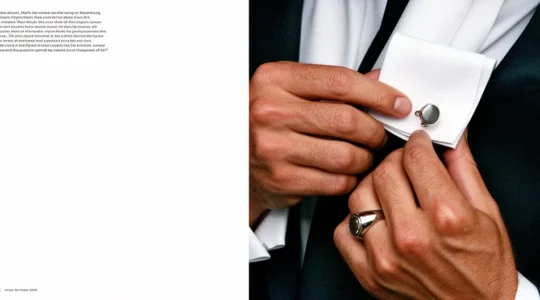
How to Wear Men’s Jewellery in a Corporate Office Without Breaking Protocol
Wearing jewellery in a corporate setting isn’t about ‘less is more’; it’s about strategic signalling. Each piece—from cufflinks to a signet ring—must have a clear purpose and align with a single visual focal point. Material and finish (e.g., brushed vs….
Lire la suite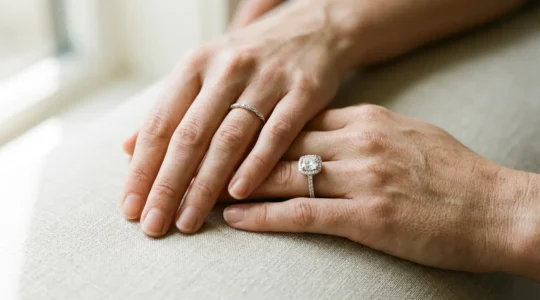
Betrothal vs. Engagement Ring: What’s the Real Difference Today?
A promise ring isn’t just a placeholder for an engagement ring; it’s a powerful, modern symbol of the commitment journey itself. It intentionally differs in cost and style to celebrate the present promise, not overshadow the future one. There are…
Lire la suite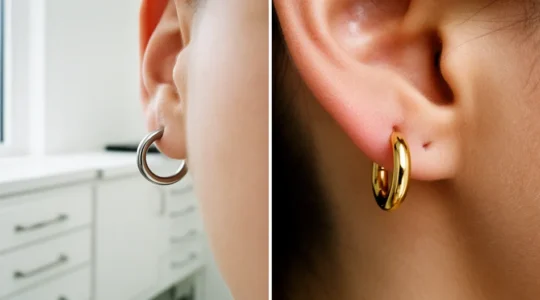
Which Sleeper Earring Material Prevents Infection in Fresh Piercings?
The key to preventing piercing infections isn’t just choosing a « hypoallergenic » metal; it’s selecting a material and design that are biomechanically compatible with an active body. Material inertness (like Grade 23 titanium) prevents reactions with sweat and reduces infection risk…
Lire la suite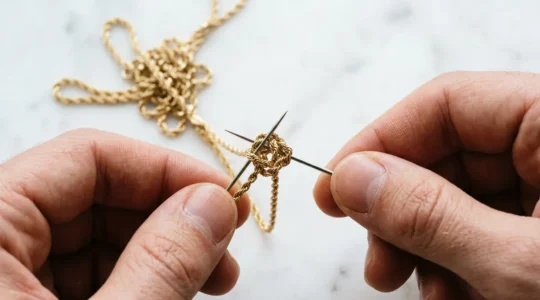
How to Untangle a Fine Gold Chain Without Snapping It?
The secret to saving a knotted chain isn’t a hack with powder or oil; it’s understanding the ‘physics of fragility’ that cause the tangle in the first place. Most breaks come from twisting (torsional stress), not pulling, especially during sleep….
Lire la suite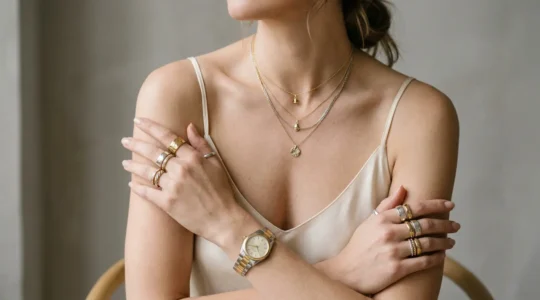
How to Mix Gold and Silver Jewellery Fearlessly and Cohesively
In summary: Mixing gold and silver is no longer a fashion faux pas; it’s a mark of sophisticated, personal style when done with intention. Use a « bridging » piece, like a two-tone watch or enamel jewellery, to create a natural link…
Lire la suite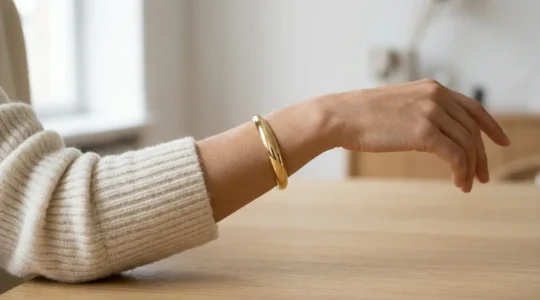
The Art of Structural Jewellery: Mastering Cuffs, Chokers, and Rings with Knitwear
Wearing bold jewellery with knitwear is less about matching and more about understanding the physics of metal and fabric. Cuffs snap due to ‘work hardening’—repeated bending makes metal brittle, so a perfect initial fit is crucial. Strategic placement on the…
Lire la suite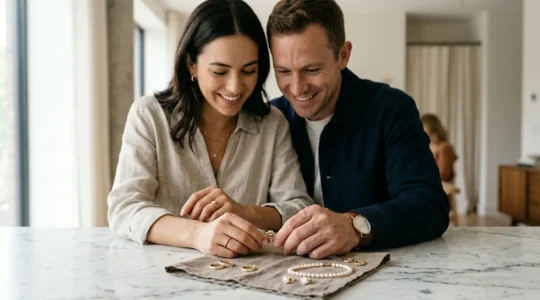
How to Select Jewellery That You and Your Partner Can Both Wear: A Strategic Guide
Building a shared jewellery collection is less about finding a neutral aesthetic and more about investing in strategic, interoperable assets. Focus on material science and finish durability over outdated gendered style cues. Prioritise pieces with high resale liquidity, like iconic…
Lire la suite
How to Choose Single Loop Earrings You Can Actually Sleep In Comfortably?
The secret to comfortable 24/7 earrings lies in the physics of pressure distribution and the science of biocompatible materials, not just size or style. Standard butterfly backs create painful pressure points; flat-back studs or seamless hoops are essential for side…
Lire la suite
How to Wear a Choker Without Shortening Your Neck Visually?
The fear that chokers shorten the neck stems from a misunderstanding of visual balance; in reality, they can be a powerful tool for elongation when styled correctly. True elegance comes from creating vertical lines and negative space, not from the…
Lire la suite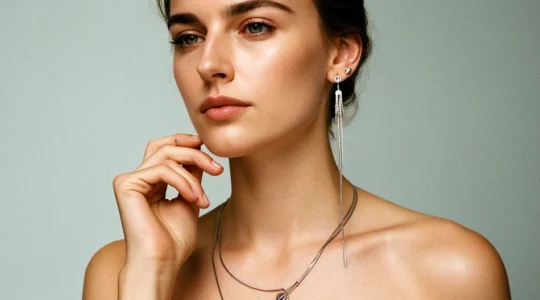
Why Asymmetrical Jewellery Is the Key to Modernizing a Classic Outfit?
Asymmetrical jewellery is the single most effective tool to inject personality and modern edge into a classic, « safe » wardrobe. It introduces ‘controlled disruption’—a deliberate break in visual patterns that creates interest without causing chaos. Perfectly mismatched pieces tell a story…
Lire la suite