Precious stones & diamonds
Whether you are considering your first diamond purchase or adding a rare sapphire to an existing collection, the world of precious stones can feel overwhelming. Terms like VS1 clarity, GIA certification and heat treatment appear everywhere, yet their practical implications often remain unclear. This creates a knowledge gap that can cost buyers thousands of pounds or lead to disappointing purchases that fail to hold their value.
This resource serves as your foundation for understanding precious stones and diamonds. Rather than superficial overviews, you will find the essential concepts that inform every subsequent decision—from selecting the right certification to choosing settings that protect your investment. Each section introduces key principles while connecting to more detailed explorations of specific topics, allowing you to build knowledge at your own pace.
The gemstone market rewards informed buyers. A stone purchased with proper understanding of grading, provenance and care requirements will serve you better—aesthetically, emotionally and financially—than one chosen based on appearance alone. Let us establish that understanding together.
What Defines a Precious Stone?
The distinction between precious and semi-precious stones dates to ancient trade classifications, though modern gemmology takes a more nuanced view. Traditionally, only four stones qualified as precious: diamonds, rubies, sapphires and emeralds. This classification persists in commerce because these stones share characteristics that set them apart—exceptional hardness, rarity in fine qualities and enduring cultural significance.
The Role of Hardness and Durability
Hardness, measured on the Mohs scale, directly affects how a stone performs in jewellery. Diamonds sit at the top with a rating of 10, meaning only another diamond can scratch them. Sapphires and rubies (both varieties of corundum) rate 9, making them suitable for daily-wear items like engagement rings. Emeralds, despite their beauty, rate only 7.5-8 and often contain natural inclusions that make them more vulnerable to damage.
This durability hierarchy influences practical decisions. A stone worn daily on your hand faces different stresses than one in a pendant. Understanding these differences helps you select appropriate stones for each purpose and explains why certain settings offer better protection for specific gems.
Natural Versus Laboratory-Grown Stones
Laboratory-grown diamonds and gemstones have become increasingly prevalent. These stones share identical chemical and optical properties with their natural counterparts—a laboratory diamond is genuinely diamond, not an imitation. The difference lies in origin and, consequently, in value retention and market perception.
Certification bodies like GIA distinguish between natural and laboratory-grown stones with different report types. Understanding this distinction matters particularly for purchases above 0.50 carats, where the value differential between natural and laboratory-grown becomes substantial.
Why Certification Standards Matter
A certificate from a recognised laboratory provides an independent assessment of a stone’s characteristics. However, not all certificates carry equal weight in the market. The GIA (Gemological Institute of America) and IGI (International Gemological Institute) maintain strict standards, while in-house jeweller gradings often present a more flattering—and less accurate—picture.
Understanding Grading Discrepancies
In-house certificates frequently rate stones one to two grades higher than independent laboratories would. A stone graded as F colour by a jeweller might receive an H rating from GIA. This discrepancy translates directly to overpayment. When comparing prices between retailers, ensure you are comparing stones with equivalent independent certifications rather than mixing in-house grades with laboratory assessments.
Verification and Laser Inscriptions
Diamonds certified by major laboratories typically carry a laser inscription on the girdle—the thin edge between the crown and pavilion. This microscopic number matches the certificate and allows verification. Checking this inscription with a jeweller’s loupe provides assurance that the stone in front of you matches its documentation, an important safeguard when making significant purchases.
Decoding Diamond Quality Beyond Basic Grades
The familiar 4Cs—cut, colour, clarity and carat—provide a framework for diamond assessment, but practical purchasing decisions require deeper understanding. Two stones with identical grades on paper can look dramatically different in person, and certain specifications offer better value than others.
Clarity Considerations for Different Settings
Clarity grades indicate the presence of inclusions (internal characteristics) and blemishes (surface marks). The question is not simply which grade is best, but which grade makes sense for your specific use:
- Eye-clean SI1 stones often represent excellent value, as inclusions invisible to the naked eye do not affect visual appearance
- Step cuts like emerald shapes require higher clarity (VS2 or better) because their large, open facets act as windows into the stone
- The location of inclusions matters enormously—a small inclusion under the table is more problematic than a larger one near the girdle
- Earrings tolerate lower clarity grades than rings because viewing distance and movement reduce inclusion visibility
The Fluorescence Factor
Fluorescence describes how a diamond responds to ultraviolet light. Strong blue fluorescence can make a diamond appear hazy in daylight or, conversely, can counteract yellow tints in lower colour grades. The key is seeing the stone in various lighting conditions before purchasing. Strong fluorescence without visual inspection represents an unnecessary gamble.
Carat Weight and Value Thresholds
Diamond prices increase disproportionately at certain carat thresholds—0.50ct, 1.00ct, 1.50ct and so forth. A 0.90ct diamond may cost significantly less than a 1.00ct stone despite appearing nearly identical when set. Savvy buyers often target weights just below these thresholds, gaining substantial savings for minimal visual difference.
Sapphires: Understanding the Premier Diamond Alternative
Sapphires occupy a unique position in the gemstone hierarchy. Their exceptional hardness (second only to diamonds) makes them practical for engagement rings, while their colour variety offers personalisation that colourless diamonds cannot match.
Heat Treatment and Market Reality
Approximately 95% of sapphires on the market have undergone heat treatment to improve colour and clarity. This treatment is permanent and industry-standard, disclosed on certificates but not considered problematic for value. Untreated sapphires with fine colour command significant premiums precisely because of their rarity.
Colour Grading and Value
Sapphire value depends heavily on colour, with Royal Blue and Cornflower Blue commanding the highest prices. Royal Blue describes a deep, saturated blue with a hint of violet, while Cornflower exhibits a lighter, more violet-tinged hue. The rare Padparadscha—a pink-orange variety—represents the most valuable non-blue sapphire and has become an increasingly popular investment stone.
Treatment Awareness for Care
Some sapphires undergo fracture-filling treatments to improve apparent clarity. These treatments require specific care protocols—steam cleaning or ultrasonic cleaning can damage filled stones. Always confirm treatment status before cleaning and follow appropriate care guidelines.
Settings That Protect and Enhance Your Stone
The setting does far more than hold a stone in place. It affects security, light performance, apparent size and daily wearability. Understanding setting mechanics helps you choose appropriately for your lifestyle and stone characteristics.
Prong Configurations
The debate between 4-prong and 6-prong settings involves trade-offs:
- 4-prong settings allow more light to enter the stone, maximising brilliance, but provide less protection
- 6-prong settings offer greater security and can make round stones appear slightly rounder, though they cover more of the stone’s surface
- For pendants, prong settings risk snagging on fabric, making bezel alternatives worth considering
Bezel Settings for Active Lifestyles
A bezel setting encircles the stone’s girdle with metal, providing maximum protection against chips and impacts. This style suits active wearers but does reduce the stone’s perceived size and limits light entry. For diamond-set watches or pieces subject to regular contact, bezels represent a practical choice.
Chain and Setting Compatibility
For pendants, the relationship between stone weight and chain construction matters. A heavy diamond on a hollow rope chain risks breakage, while delicate settings on robust chains appear unbalanced. Sliding bezels prevent the common problem of pendants flipping over, maintaining the stone’s visibility throughout wear.
Investment Considerations and Value Retention
Precious stones can function as portable assets, though their investment characteristics differ from traditional financial instruments. Understanding these dynamics helps set realistic expectations and informs purchasing decisions.
Which Stones Hold Value
Value retention varies significantly by stone type and quality tier. Generally:
- High-quality natural diamonds above 1 carat with strong certification maintain value relatively well
- Fine coloured gemstones (untreated sapphires, rubies from specific origins) have shown appreciation in recent decades
- Commercial-grade stones and laboratory-grown diamonds typically depreciate substantially from retail prices
- Signed pieces from major houses like Cartier can command premiums of 30% or more at auction
Tax and Insurance Implications
In the UK, selling precious stones can trigger Capital Gains Tax obligations depending on value thresholds and ownership periods. Equally important, standard home insurance often undervalues gem collections—specialist policies may be necessary for adequate coverage. Pieces that travel require specific all-risks coverage with broker notification.
Care and Storage Essentials
Proper care extends the life and appearance of precious stones. Each gem type has specific requirements based on its hardness, treatment status and setting style.
Daily Care Practices
The pavilion (bottom) of a ring stone accumulates oils and lotions that diminish brilliance. Regular cleaning with appropriate solutions maintains optical performance. However, certain treatments (fracture-filling, resin enhancement) preclude ultrasonic or steam cleaning methods.
Storage Considerations
Stones of different hardnesses stored together will scratch. Soft stones like emeralds require individual compartments or pouches. Climate conditions matter—extreme temperature changes can stress treated stones or those with natural inclusions.
Whether you are selecting your first diamond pendant, considering a sapphire engagement ring or building a collection of investment-grade stones, these foundational concepts inform every decision. Each topic introduced here connects to detailed explorations within this category, allowing you to deepen your understanding in areas most relevant to your needs.
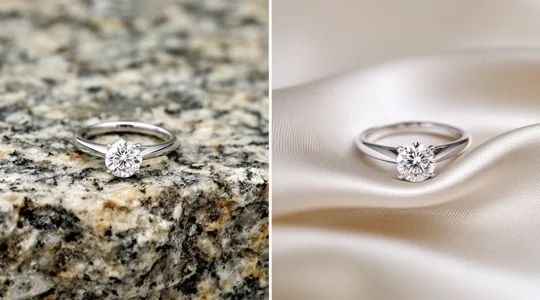
Peg Head vs. Integrated Head: A Mechanic’s Guide to Solitaire Ring Security
A secure ring isn’t about choosing ‘strong’ over ‘weak’ settings; it’s about understanding the engineering trade-offs between different designs. The perceived weakness of a « peg head » is often a solder joint issue, not a fundamental design flaw. An « integrated » or…
Lire la suite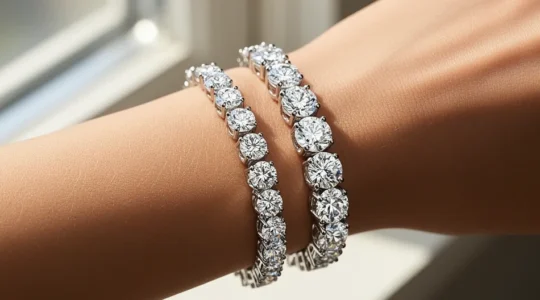
3-Prong or 4-Prong: Which Tennis Bracelet Style Sits Flat on the Wrist?
A tennis bracelet’s tendency to flip is not a random flaw, but a predictable outcome of its mechanical design—specifically the relationship between each link’s center of gravity and its pivot points. 4-prong settings, while often perceived as more secure, can…
Lire la suite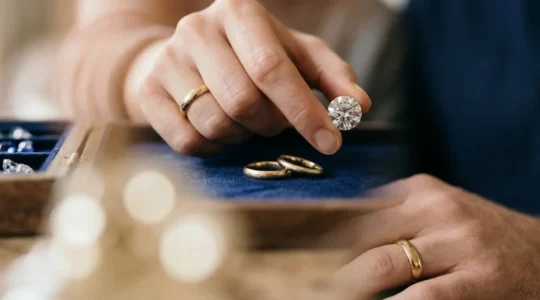
Beyond Tradition: Choosing the Right Gemstone for Your 10th Anniversary and Beyond
The 10th anniversary is your pivotal moment to transition from sentimental gifts to building an appreciating jewelry portfolio. The modern 10th-anniversary gift, the diamond, is the perfect foundation for a lifetime of strategic upgrades and value growth. Leveraging jeweler trade-in…
Lire la suite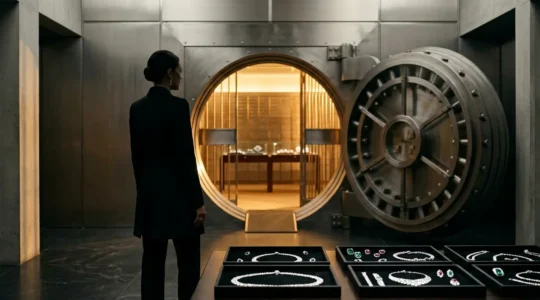
Why Is High Jewellery Considered a Portable Asset Class for the Ultra-Rich?
The long-term value of high jewellery as an asset is determined less by its initial purchase price and more by the sophisticated management of its insurance, security, and eventual liquidation. Standard insurance is inadequate; « agreed value » policies with worldwide « all-risk »…
Lire la suite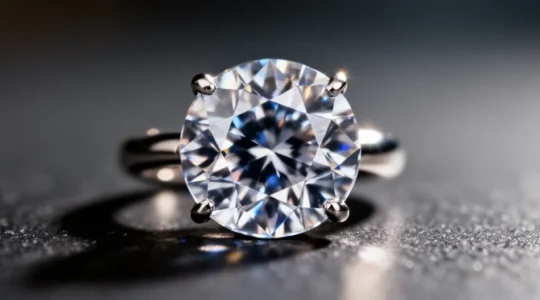
Why is Sapphire the Best Alternative to Diamond for Engagement Rings?
Beyond its stunning colours, a sapphire’s superiority lies in its gemological integrity: it offers comparable durability to a diamond for daily wear, combined with a depth of character that rewards a knowledgeable buyer. The vast majority of sapphires are heat-treated,…
Lire la suite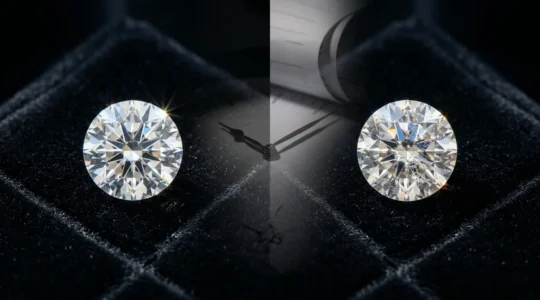
VS1 or SI1: How to Choose a Diamond That Looks Perfect Without Overpaying
The biggest mistake in diamond buying is paying a premium for a VVS or VS1 grade when a well-chosen « imperfect » SI diamond can look identical to the naked eye. The location of an inclusion is far more critical than the…
Lire la suite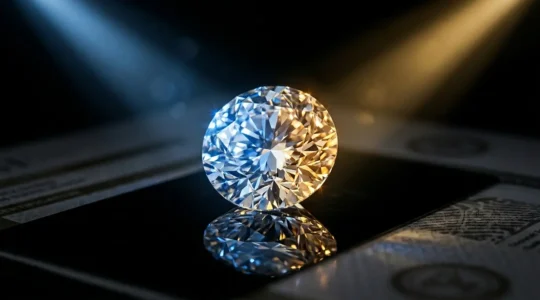
Why You Must Demand a GIA or IGI Certificate for Diamonds Over 0.50ct
A diamond certificate is not just proof of quality; it’s a financial contract where inflated grades can cost you thousands. Less-strict lab reports or in-house appraisals frequently inflate colour and clarity by one to two grades compared to the GIA…
Lire la suite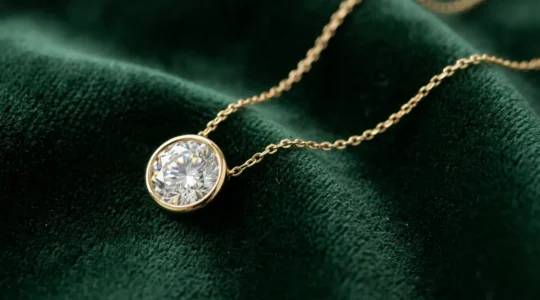
The Engineer’s Guide: How to Choose a Diamond Pendant That Won’t Flip Over
A flipping pendant is a symptom of a design imbalance, not a wearer’s mistake. The issue stems from a high center of gravity and an unstable pivot point at the bale. Chain weight and stiffness are critical components that can…
Lire la suite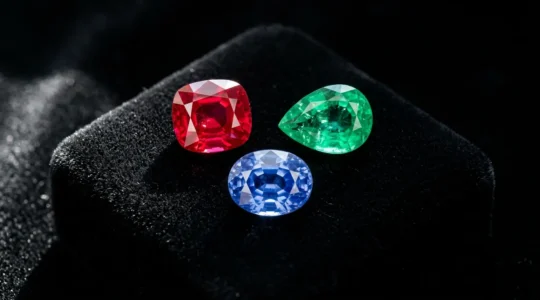
Which Precious Stones Best Retain Their Value in the UK Market After 10 Years?
The long-term value of a precious stone hinges less on its raw appreciation and more on navigating the UK’s specific financial landscape of taxes, insurance, and market liquidity. Classic stones like unheated Burmese Rubies and Kashmir Sapphires remain top performers,…
Lire la suite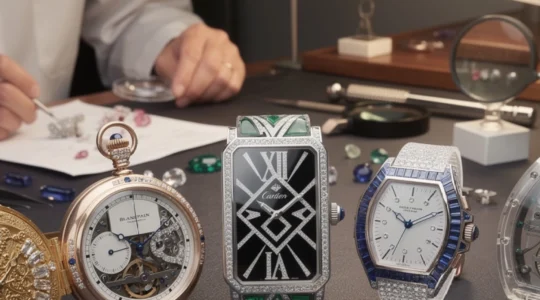
Why horology and gems: A timeless encounter continues to inspire collectors
The marriage between precision watchmaking and precious gemstones represents one of the most enduring alliances in luxury craftsmanship. For centuries, master horologists and skilled lapidaries have collaborated to create timepieces that transcend mere functionality, transforming watches into wearable works of…
Lire la suite