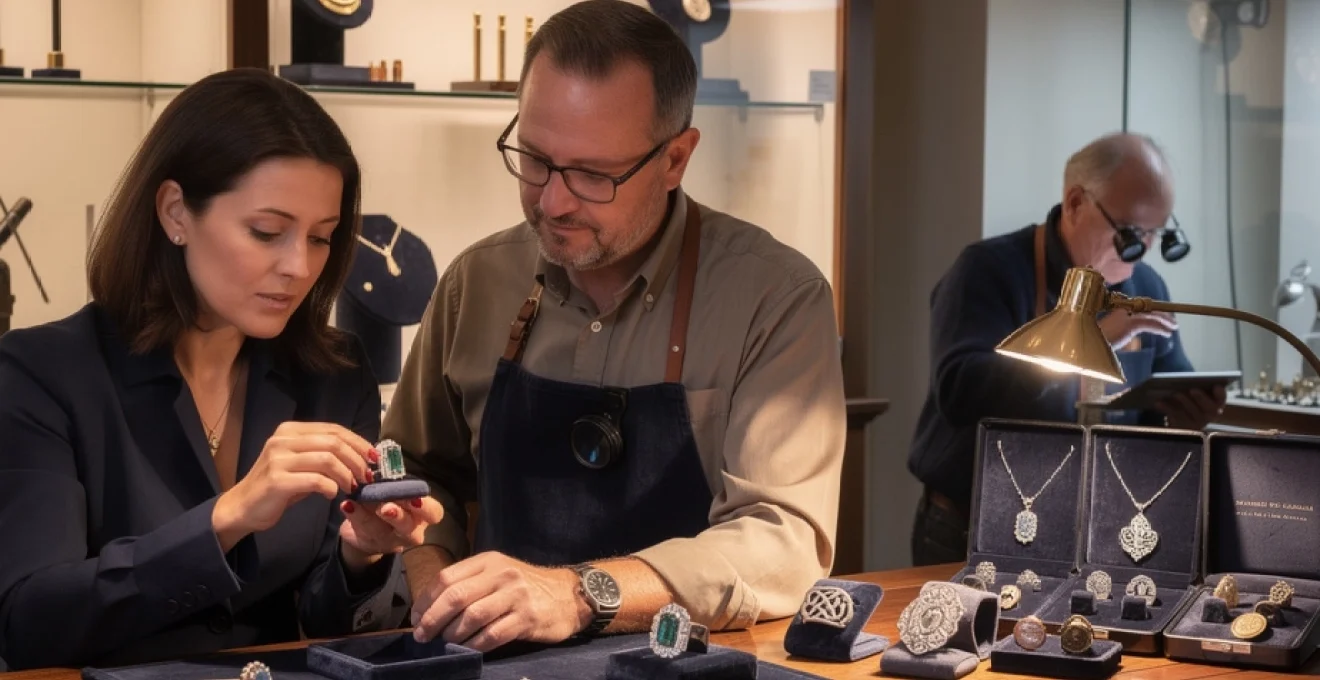
The modern jewellery landscape has evolved far beyond the traditional high street offerings, creating unprecedented opportunities for discerning collectors to discover extraordinary pieces. Specialised retailers have emerged as gatekeepers to exclusive collections, each bringing unique expertise and access to artisanal craftsmanship that simply cannot be found through conventional channels. These curated specialists offer more than mere transactions—they provide pathways to owning pieces with genuine character, historical significance, and artistic merit that reflect individual taste and personal narrative.
The distinction between mass-produced jewellery and truly unique pieces lies not only in rarity but in the story, craftsmanship, and authenticity that specialised retailers bring to each acquisition. Whether you’re seeking a one-of-a-kind contemporary creation or a historically significant vintage piece, these expert intermediaries possess the knowledge, connections, and passion necessary to match collectors with extraordinary finds that transcend conventional retail boundaries.
Artisan jewellers and bespoke design studios: accessing exclusive collections
Contemporary artisan jewellers represent the vanguard of unique jewellery creation, offering collectors access to pieces that exist nowhere else in the world. These specialised creators work in small ateliers, often producing fewer than fifty pieces annually, ensuring that each creation maintains its exclusivity and artistic integrity. Their approach to jewellery design combines traditional techniques with innovative contemporary aesthetics, resulting in pieces that serve as wearable art rather than mere accessories.
Independent goldsmiths and their handcrafted signature techniques
Independent goldsmiths distinguish themselves through signature techniques developed over years of dedicated practice. Many employ ancient methods such as granulation, where tiny gold spheres are fused to create intricate textural surfaces, or champlevé enamelling, which creates vibrant colour fields within precisely carved metal channels. These artisans often specialise in particular materials or techniques, such as mokume-gane metalworking that creates wood-grain patterns in precious metals, or the delicate art of filigree that transforms fine wire into lace-like structures.
The relationship between collector and independent goldsmith often extends beyond simple purchase arrangements. Many artisans maintain waiting lists for their most coveted pieces, with collectors sometimes commissioning works years in advance. This exclusivity creates a secondary market where certain makers’ pieces appreciate significantly in value, particularly when the artisan gains recognition through museum exhibitions or prestigious awards.
Gemological expertise in rare stone selection and provenance authentication
Specialised retailers with gemological expertise provide access to exceptional stones that never reach mainstream markets. These professionals maintain relationships with mining operations, estate liquidators, and private collectors, ensuring first access to remarkable specimens. Their knowledge extends beyond basic gemstone identification to include understanding of geological formation processes, historical mining locations, and market dynamics that influence stone availability and value.
Provenance authentication has become increasingly sophisticated, with specialists employing advanced spectroscopic analysis and maintaining detailed documentation chains. Some retailers specialise exclusively in stones from particular regions, such as Kashmir sapphires or Padparadscha sapphires from Sri Lanka, developing encyclopaedic knowledge of their chosen specialty. This expertise allows collectors to acquire stones with complete confidence in their authenticity and optimal value positioning.
Custom setting methods and traditional metalworking craftsmanship
The art of custom setting represents where technical precision meets creative expression. Master setters employ techniques passed down through generations, such as pavé setting that creates seamless carpets of diamonds, or the architectural precision of baguette setting that requires mathematical exactitude. Some specialists focus exclusively on historical setting styles, recreating techniques from specific periods with archaeological accuracy.
Traditional metalworking craftsmanship encompasses skills that are increasingly rare in contemporary jewellery production. Techniques such as repoussé, where patterns are hammered from the reverse side of metal sheets, or the precise art of hand-engraving that creates intricate surface decorations, require years of dedicated apprenticeship. These specialists often maintain workshops equipped with historical tools and equipment, preserving methods that would otherwise disappear from the craft.
Limited edition collections from boutique ateliers
Boutique ateliers frequently release limited edition collections that explore specific themes, techniques, or material explorations. These collections might consist of as few as five to ten pieces,
each individually numbered and accompanied by detailed documentation. Because production runs are so small, boutique jewellers can experiment with unusual alloy colours, avant-garde silhouettes, or unconventional gemstone pairings that would be commercially unviable at scale. When a series sells out, the design is often retired permanently, meaning your piece becomes part of a finite chapter in the atelier’s creative history rather than a style that will be endlessly reproduced.
For collectors seeking truly unique jewellery pieces, these limited edition drops are comparable to small-batch releases in the world of fine art prints. You gain the reassurance that only a handful of people worldwide will ever own that specific design, while also benefiting from the atelier’s ongoing commitment to quality and aftercare. Many specialised retailers run private previews for loyal clients, giving you early access to reserve or customise pieces before they are publicly launched.
Estate jewellery specialists and vintage authentication services
While contemporary artisan jewellers create tomorrow’s heirlooms, estate jewellery specialists act as custodians of the past, curating historic pieces with verified authenticity. These niche retailers combine art history, gemology, and market expertise to identify vintage jewellery with enduring value, both aesthetic and financial. Instead of sifting through unverified online listings, you gain access to collections that have already undergone rigorous assessment, which is crucial when you are investing in rare vintage designs or period-specific engagement rings.
Specialised estate jewellers often maintain relationships with auction houses, family estates, and long-standing private clients, giving them first refusal on significant pieces before they reach the open market. This insider access can be the difference between discovering a museum-quality Art Deco bracelet and settling for a generic reproduction. By working with these experts, you not only acquire unique jewellery with character, but also the historical context that brings each piece to life.
Georgian and victorian era piece identification and valuation
Identifying authentic Georgian and early Victorian jewellery requires far more than a quick visual inspection. Specialists look for clues in construction methods, such as hand-cut closed-back stones, foil-backed settings, and the use of old mine or rose-cut diamonds. They also examine metal composition and wear patterns to confirm whether a piece predates the widespread use of modern alloys and manufacturing technologies. Without this expertise, it is easy to mistake later reproductions for genuine 18th or 19th-century work.
When it comes to valuation, estate jewellery experts consider more than just carat weight and metal content. They assess originality of design, condition, rarity, and whether the piece still retains all its original components. For example, a Georgian rivière necklace that has not been shortened and still includes its original clasp will usually command a premium. An experienced specialist will provide you with a detailed valuation document outlining these factors, which is vital for insurance, resale, or simply understanding the true significance of your acquisition.
Art deco and edwardian design authentication processes
Art Deco and Edwardian jewellery are among the most copied styles on the market, which makes specialist authentication invaluable. Edwardian pieces, with their delicate platinum lacework and milgrain detailing, require close inspection under magnification to confirm period-appropriate craftsmanship. Genuine examples typically feature hand-pierced filigree and painstakingly set old European-cut diamonds, rather than the laser-cut or cast components seen in modern reproductions.
Art Deco jewellery, by contrast, is defined by strong geometry, bold colour contrasts, and innovative use of materials such as onyx, coral, and rock crystal. Authenticating these pieces involves analysing hallmarks, workshop stamps, and manufacturing techniques like calibre-cut stone setting and channel-set diamonds in platinum. A specialised retailer will cross-reference these physical indicators with period catalogues and archival references, giving you confidence that the bracelet or ring you are considering is a true product of the 1920s or 1930s rather than a later homage.
Provenance documentation and historical significance assessment
For many collectors, the story behind a piece is as important as the piece itself. Estate jewellers excel at uncovering and documenting this provenance, whether a jewel once belonged to a notable family, was commissioned for a specific event, or represents a rare example from a famous workshop. They may consult auction archives, family papers, or old photographs to trace ownership history. In some cases, they can even provide period advertisements or original receipts, which add substantial interest and value.
Why does this matter when you are simply looking for a unique ring or necklace? Because strong provenance can transform a beautiful object into a tangible link to a particular time, place, or person. A brooch worn at a coronation or a watch gifted to commemorate a significant historical event offers a depth of meaning that mass-produced jewellery cannot rival. Specialised retailers will clearly distinguish between pieces with verified provenance and those without, helping you make informed choices based on your collecting priorities and budget.
Restoration techniques for antique jewellery preservation
Acquiring vintage jewellery is only the first step; preserving it responsibly is equally important. Reputable estate specialists work with restorers who understand how to stabilise and repair antique pieces without erasing their history. This might involve tightening settings using period-appropriate tools, replacing missing stones with old cuts that match the original, or carefully rebuilding worn links in a chain while preserving hallmark integrity. Think of it as conservation rather than renovation—respecting the piece’s age and character while ensuring it can be safely worn.
Specialised retailers will also advise on what not to change. For instance, aggressively polishing an antique gold ring can remove the soft patina that collectors prize, and replacing an original clasp with a modern one may reduce both aesthetic and monetary value. You’ll often receive tailored care instructions and recommendations for professional check-ups, so your antique treasures remain both wearable and structurally sound for decades to come.
Ethical sourcing networks and fair trade jewellery specialists
As awareness of environmental and social issues grows, more collectors want unique jewellery that also aligns with their values. Ethical sourcing specialists bridge this gap by curating pieces made from responsibly mined or recycled metals, traceable gemstones, and fair trade supply chains. Rather than relying on vague marketing claims, these retailers provide concrete evidence—mine-of-origin certificates, fair trade gold accreditation, or membership in recognised initiatives such as the Responsible Jewellery Council.
Working with these specialists allows you to ask more nuanced questions: Was this diamond mined under safe labour conditions? Is the gold recycled or newly extracted? What community benefits programmes are in place at the mine site? Just as a sommelier can trace a fine wine back to a single vineyard, ethical jewellers increasingly offer “mine to market” transparency, especially for high-value stones like diamonds and sapphires. This level of detail is rarely available from generalist retailers.
Another advantage of ethical jewellery specialists is their deep knowledge of alternative materials. If you prefer to avoid newly mined stones altogether, they may suggest lab-grown diamonds, fully recycled antique gems, or lesser-known but beautiful fair trade gemstones such as Malawian garnet or Australian sapphire. By combining sustainability expertise with design-led thinking, these retailers help you find unique jewellery pieces that are as responsible as they are distinctive.
Regional specialisation and cultural jewellery traditions
Some of the most distinctive jewellery in the world is rooted in specific regional and cultural traditions. Specialised retailers who focus on these areas act as cultural interpreters, helping you understand the symbolism, craftsmanship, and etiquette that surround particular motifs and forms. Instead of treating these designs as generic “ethnic” styles, they present them in their proper context, ensuring you can wear and gift them with respect.
In the UK and Ireland, regional jewellers often draw from rich Celtic and mythological heritage to create contemporary yet deeply meaningful pieces. Working with such specialists is rather like consulting a local historian and a master craftsperson at once: you gain insight into centuries-old motifs while accessing modern interpretations that fit seamlessly into your everyday wardrobe. This combination of cultural depth and design refinement makes regional specialisation a powerful route to truly unique jewellery.
Scottish celtic knot patterns and highland clan symbolism
Scottish jewellery specialists frequently work with traditional Celtic knot patterns, whose endless loops are said to represent eternity, interconnectedness, or the cyclical nature of life. While mass-market versions of these designs exist, regional experts pay attention to historical accuracy in knot construction, line weight, and proportional balance. They may reference medieval stone carvings, illuminated manuscripts, or historic metalwork to ensure their pieces remain true to their roots while still feeling contemporary.
Highland clan symbolism introduces another layer of personalisation. Specialist jewellers can incorporate recognised clan crests, mottos, and plant badges into signet rings, brooches, or kilt pins, advising on correct heraldic usage. If you are tracing your Scottish heritage or gifting jewellery to mark a family milestone, this guidance is invaluable. Instead of a generic thistle pendant, you might commission a hand-engraved clan crest ring in recycled Scottish gold—an heirloom that speaks directly to your own lineage.
Welsh dragon motifs and traditional clogau gold applications
In Wales, the iconic red dragon and intricate knotwork motifs offer rich inspiration for unique jewellery design. Specialised Welsh jewellers understand how these symbols have evolved from early medieval art to modern national identity, and they use that knowledge to create pieces that feel both authentic and wearable. You will often see the dragon subtly integrated into ring shoulders, pendant bales, or bracelet links, rather than rendered as a simple, literal emblem.
Clogau gold, historically associated with a single Welsh mine and famously used in royal wedding bands, has become synonymous with luxury and provenance. Retailers specialising in Welsh jewellery can explain how this rare gold is alloyed, authenticated, and incorporated into contemporary designs—sometimes as a hidden inner band, sometimes as delicate inlay work. For those seeking a unique engagement ring or commemorative piece with a clear connection to Wales, this level of regional expertise is hard to replicate elsewhere.
Irish claddagh rings and ancient ogham script engravings
Irish jewellery traditions are rich with symbolism, and specialist retailers ensure these meanings are preserved rather than diluted. The Claddagh ring, with its heart, crown, and hands motif, is perhaps the most recognisable example. Yet few general retailers explain that how you wear it—on which hand and in which direction—signals your relationship status. An Irish jewellery specialist will not only guide you through these nuances but also offer variations that respect the original symbolism while reflecting modern tastes, such as minimalist bands or mixed-metal interpretations.
Another distinctive tradition is the use of Ogham script, an early medieval Irish alphabet often carved into stone pillars. Contemporary craftspeople now engrave Ogham inscriptions onto pendants, rings, and bangles, spelling out names, blessings, or meaningful words in a way that feels both ancient and understated. Because accuracy is critical, working with a specialist jeweller who understands the script’s structure and linguistic history ensures your “secret message” is both correct and beautifully executed.
Gemstone specialists and mineralogical expertise networks
While many jewellers carry a general selection of gemstones, true gemstone specialists dive far deeper, curating collections based on mineralogical rarity, crystal habit, and cutting innovation. They may focus on a narrow category—such as coloured diamonds, untreated sapphires, or rare garnets—or work across the spectrum while maintaining strict standards on treatment disclosure and traceability. For collectors who see gemstones as both artistic and geological marvels, these specialists provide a level of expertise that mainstream retailers rarely match.
One of the key advantages of working with a gemstone-focused retailer is access to stones that never appear in standard commercial parcels. You might encounter unheated Padparadscha sapphires with precisely documented origins, spinels from newly discovered deposits, or old-stock alexandrites with exceptional colour change. Because these dealers often belong to international trade and mineralogical networks, they can source specific stones to order, much like a rare book dealer tracking down a first edition for a dedicated client.
Another benefit is education. A gemstone specialist will take the time to explain how factors like pleochroism, dispersion, and crystal orientation affect a stone’s appearance and value. They will also be candid about treatments such as heating, irradiation, or fracture filling, helping you decide where you are comfortable on the spectrum from completely untreated to responsibly enhanced. This level of transparency empowers you to choose unique jewellery stones that align with your personal priorities—whether you value absolute naturalness, dramatic visual impact, or a particular origin story.
Digital platforms connecting collectors with independent craftspeople
In the past, discovering independent jewellers often required travel, personal introductions, or chance encounters at craft fairs and exhibitions. Today, specialised digital platforms have transformed that landscape, acting as curated marketplaces that link collectors worldwide with exceptional makers. Unlike mass-market e-commerce sites, these platforms apply strict selection criteria, showcasing only artisans who meet high standards of originality, craftsmanship, and ethical practice.
For you as a collector, this means you can browse one-of-a-kind pieces and commission bespoke work from jewellers in different countries without leaving your home. Many platforms offer high-resolution photography, 360-degree videos, and behind-the-scenes studio content, so you can get a feel for a maker’s process and personality before committing. Some even facilitate virtual consultations, allowing you to discuss design ideas, budgets, and timelines directly over video call—a digital equivalent of sitting down with a jeweller at their bench.
Of course, buying unique jewellery online comes with its own considerations. Trusted platforms mitigate risk through secure payment systems, clear return policies, and independent reviews, while also providing documentation for gemstone grading and metal quality. The best of these sites operate more like a gallery than a marketplace, offering editorial content, interviews, and style guides to help you refine your taste and discover new designers. When used thoughtfully, they can dramatically expand your access to specialised retailers and craftspeople, ensuring that the next piece you add to your collection is not just another item in a shopping cart, but a meaningful work of wearable art.